
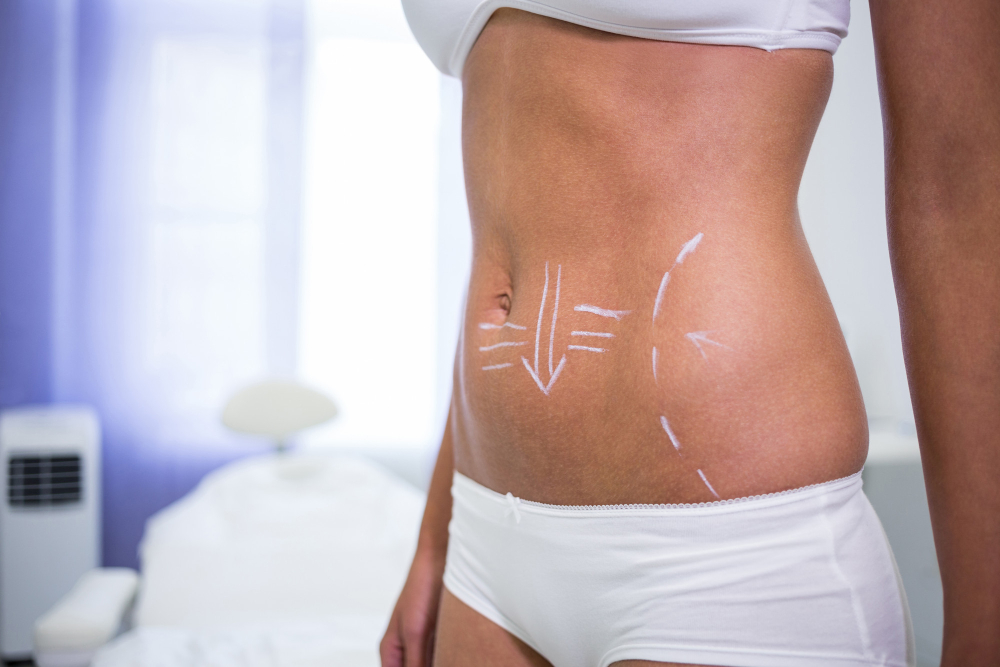
Introduction: Understanding Body Contouring
Body contouring is a group of treatments that help shape and improve your body’s appearance. Many people choose body contouring to remove stubborn fat or tighten loose skin. Because these changes can boost confidence, body contouring is becoming more popular. In fact, both surgical and non-surgical body sculpting procedures are now widely available. Safe body contouring treatments can help you reach your goals when diet and exercise are not enough.
Why People Seek Body Contouring
There are many reasons people consider body contouring. For example, some want to remove extra fat that does not go away with exercise. Others may have loose skin after losing weight. In addition, some people want to improve their body shape after pregnancy. Common reasons include:
Because everyone’s body is different, the reasons for seeking treatment can vary.
Common Causes Leading to Body Contouring
Several factors can lead to the need for body contouring. For instance, genetics may cause some people to store fat in certain areas. Also, aging can make skin lose its firmness. After major weight loss, skin may not shrink back fully. Other causes include:
Because these factors are common, many people consider body sculpting procedures.
Diagnosis and Assessment: Who Is a Good Candidate?
Before starting any body contouring treatment, a specialist will assess your health and goals. First, they will review your medical history. Next, they will check your skin and fat in the target areas. In addition, they may ask about your weight, lifestyle, and expectations. Good candidates usually:
Because safety is important, always choose a certified provider for your assessment. The CDC and WHO recommend discussing all options and risks with your doctor.
Treatment Options: Surgical and Non-Surgical Methods
There are many body contouring treatments available today. Some are surgical, while others are non-surgical fat reduction methods. Let’s look at both types:
Surgical Body Contouring Procedures
Because these are surgeries, they require anesthesia and recovery time.
Non-Surgical Body Contouring Treatments
These non-surgical fat reduction methods usually have less downtime. However, you may need several sessions for best results.
Lifestyle Guidance and Aftercare Tips
After body contouring, taking care of your body is important. For example, follow your provider’s aftercare instructions closely. In addition, you should:
Because healing takes time, be patient with your progress. Always contact your provider if you have concerns.
Prevention and Maintaining Results
To keep your new shape, healthy habits are key. For instance, eat plenty of fruits, vegetables, and lean proteins. Also, stay active with regular exercise. In addition, avoid large weight changes, as this can affect your results. Tips to maintain your results include:
Because prevention is easier than correction, these habits can help you enjoy your results for years.
Conclusion: Take the Next Step
Body contouring can help you achieve the shape you want when other methods fall short. However, it is important to choose safe body contouring treatments and work with certified experts. Consult a specialist at Mauli Clinic to discuss the best body contouring options for you.