
What Are Acne Scars?
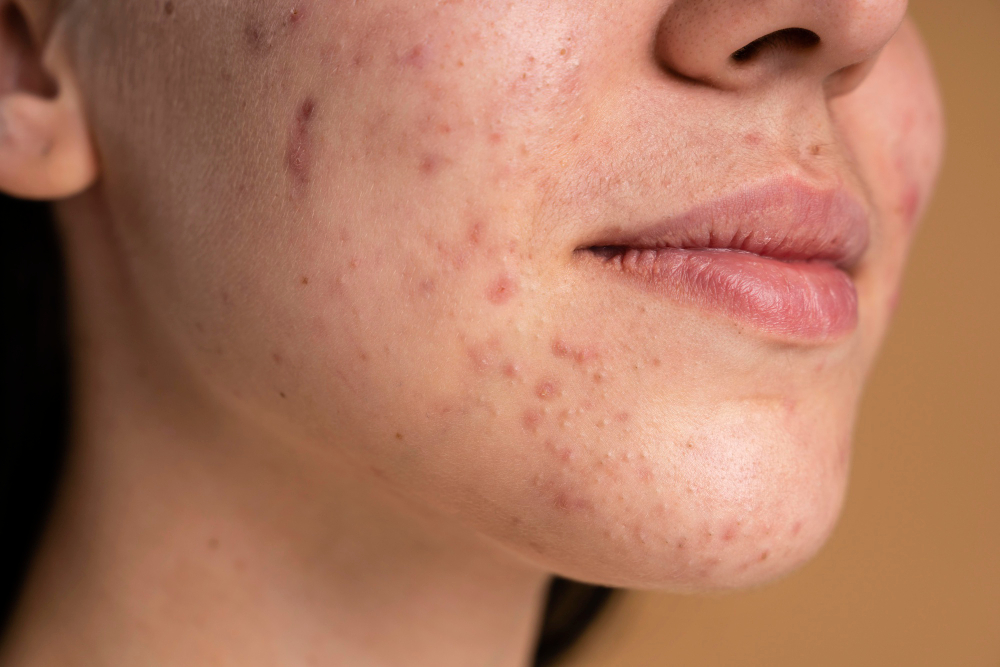
Acne scars are marks left on the skin after pimples heal. These scars can appear as dark spots, dents, or raised areas. For many people, acne scars can affect confidence. However, there are ways to treat and reduce acne scars. Understanding what causes them is the first step toward clearer skin.
Common Causes of Acne Scars
Not everyone who has acne will get scars. Still, some factors make scars more likely. For example, picking or squeezing pimples can damage the skin. In addition, severe or deep acne often leaves scars. Genetics also play a role. If your parents had acne scars, you may be more likely to get them too.
According to the American Academy of Dermatology, early treatment of acne can help prevent scars.
Types of Acne Scars
There are different types of acne scars. Each type looks and feels different. Knowing the type can help you find the best treatment for acne scars.
Each type of scar may need a different approach for treatment.
Diagnosis and Assessment
First, a dermatologist will look at your skin. They will check the type and depth of your acne scars. Sometimes, they may ask about your acne history. This helps them choose the best treatments for acne scars. In some cases, photos may be taken to track progress. Early assessment can lead to better results.
Effective Treatment Options
There are many ways to treat acne scars. Some treatments work better for certain types of scars. Your dermatologist can help you decide which is best for you. Here are some common options:
For mild scars, you can try home remedies to reduce acne scars. For example, using sunscreen daily can prevent scars from getting darker. However, always talk to a doctor before starting new treatments.
Prevention Tips and Lifestyle Guidance
While you cannot always prevent acne scars, you can lower your risk. Here are some tips:
Moreover, managing stress can help keep acne under control. Healthy habits support clearer skin over time.
When to See a Specialist
If acne scars bother you or do not improve with home care, see a dermatologist. Especially if scars are deep, painful, or affect your self-esteem, a specialist can help. They can suggest the best treatments for your skin type. Early help often leads to better results.
In summary, acne scars can be treated in many ways. For the best advice, consult a dermatologist at Mauli clinic for personalized acne scar treatment advice.