
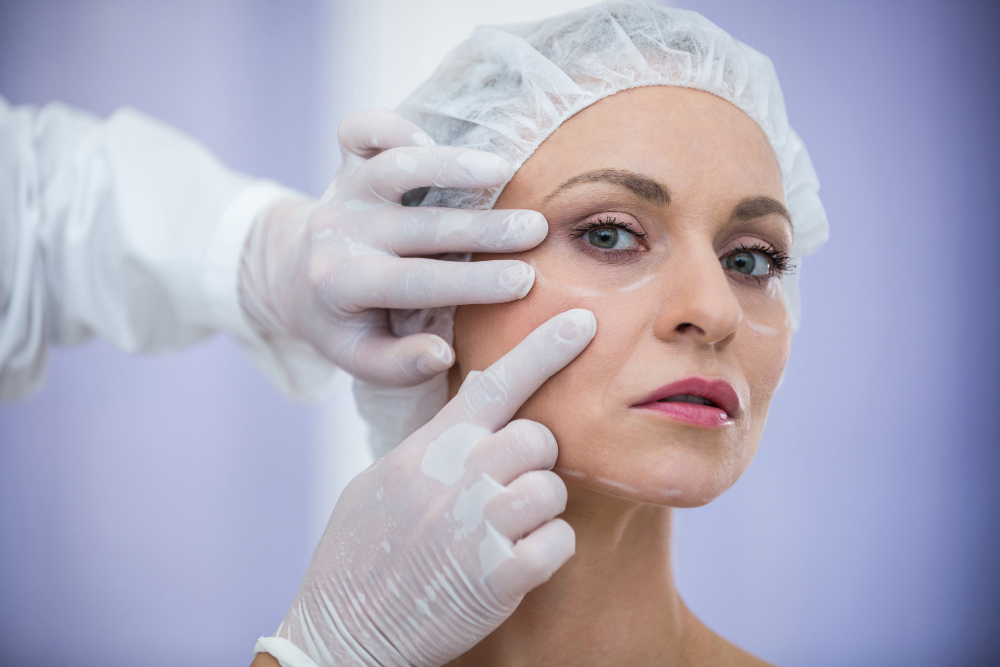
What Is Skin Tightening?
Skin tightening is the process of making loose or sagging skin firmer. As people age, their skin can lose its natural stretch. This can lead to wrinkles or drooping. However, many people seek ways to tighten their skin for a youthful look. Skin tightening can be done through various treatments, both at home and in clinics. In fact, non-surgical skin tightening treatments are becoming more popular because they are less invasive. Understanding how to tighten loose skin can help you choose the best method for your needs.
Common Causes of Loose Skin
Loose skin can happen for many reasons. Knowing the cause can help you find the right solution. Some common causes include:
Additionally, certain health conditions can also affect skin firmness. For example, some illnesses or medications may weaken the skin’s structure.
Symptoms and Signs That May Need Skin Tightening
Noticing changes in your skin is important. Here are some signs that you may benefit from skin tightening:
For some, these changes can affect confidence. But there are many ways to address them.
Diagnosis: When to Seek Professional Advice
Sometimes, loose skin is a normal part of aging or weight changes. However, you should see a dermatologist if:
Moreover, a doctor can check for underlying health issues. They can also suggest safe and effective treatments. According to the American Academy of Dermatology, professional advice ensures you choose the right option for your skin type.
Popular Skin Tightening Treatments
There are many ways to tighten skin. Some are non-surgical, while others may require surgery. Let’s look at both options:
Non-Surgical Skin Tightening Treatments
These methods are less invasive and often have little downtime. However, you may need several sessions for the best results.
Surgical Skin Tightening Options
Surgical options usually offer more dramatic results. But they come with longer recovery times and higher risks. Always discuss these with a certified surgeon.
At-Home Skin Tightening Tips and Lifestyle Guidance
While professional treatments help, you can also try at-home methods. Here are some tips to support skin tightening at home:
Although these tips may not give instant results, they can help improve skin health over time.
Prevention: How to Maintain Firm, Healthy Skin
Preventing loose skin is easier than treating it. You can take simple steps to keep your skin firm:
Furthermore, regular check-ups with a dermatologist can help catch skin issues early. According to the CDC, healthy habits support skin at every age.
Frequently Asked Questions About Skin Tightening
Conclusion and Call-to-Action
In summary, skin tightening can help you look and feel your best. There are many safe and effective options, from at-home care to advanced treatments. However, everyone’s skin is different. For the best advice, consult Mauli Clinic for personalized skin tightening guidance.