
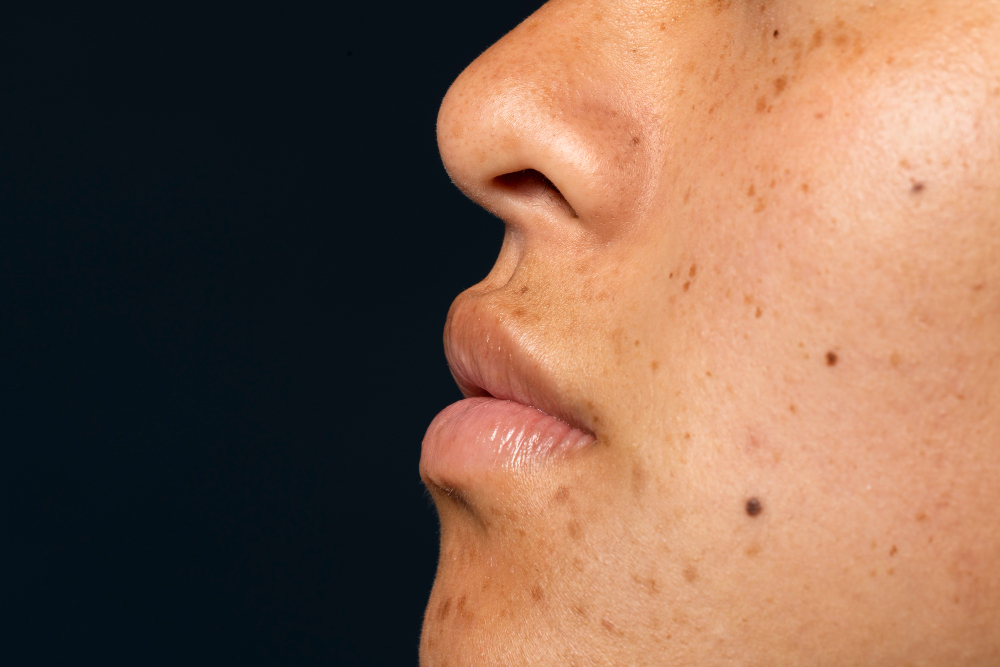
What is Skin Pigmentation?
Skin pigmentation is the color of your skin. It is mainly caused by a pigment called melanin. Everyone has melanin, but the amount and type can differ. As a result, people have different skin tones. Sometimes, skin pigmentation changes. These changes can make patches of skin lighter or darker. Many people worry about these changes. Because of this, understanding skin pigmentation is important for healthy skin.
Common Causes of Skin Pigmentation
Many things can cause changes in skin pigmentation. Some causes are harmless, but others may need treatment. Here are the most common causes of skin pigmentation:
Because these causes vary, it is important to know what triggers your skin changes.
Symptoms and How to Identify Skin Pigmentation Issues
Skin pigmentation issues can look different for each person. However, there are some common signs to watch for:
Sometimes, these changes are mild. But in other cases, they may be very noticeable. If you see new or spreading patches, it is a good idea to talk to a doctor. Early attention can help find the cause and the best treatment.
Diagnosis: How Skin Pigmentation is Assessed
Doctors use several ways to check skin pigmentation problems. First, they look at your skin and ask about your health history. Next, they may use a special light called a Wood’s lamp to see changes more clearly. Sometimes, a small skin sample (biopsy) is needed. Because some skin pigmentation issues are linked to other health problems, blood tests may also be done. According to the World Health Organization (WHO), early diagnosis helps guide the right treatment.
Effective Treatments and Fixes for Skin Pigmentation
There are many ways to treat skin pigmentation. The right treatment depends on the cause and type of pigmentation. Here are some common options:
Because each person’s skin is unique, it is best to get advice from a dermatologist. The Centers for Disease Control and Prevention (CDC) recommends using treatments only as directed by a healthcare provider.
Lifestyle Tips and Prevention Strategies
While some causes of skin pigmentation cannot be avoided, many steps can help prevent or reduce changes. Here are some helpful tips:
In some locations, like areas with strong sunlight, extra care is needed. Because sun exposure is a major cause, people living in sunny places should be especially careful.
Conclusion
Skin pigmentation changes are common and often harmless. However, they can sometimes signal a health issue. Early diagnosis and the right treatment can help restore even skin tone. For the best results, follow prevention tips and seek medical advice when needed. Consult a dermatologist for personalized advice on skin pigmentation at Mauli Clinic.