
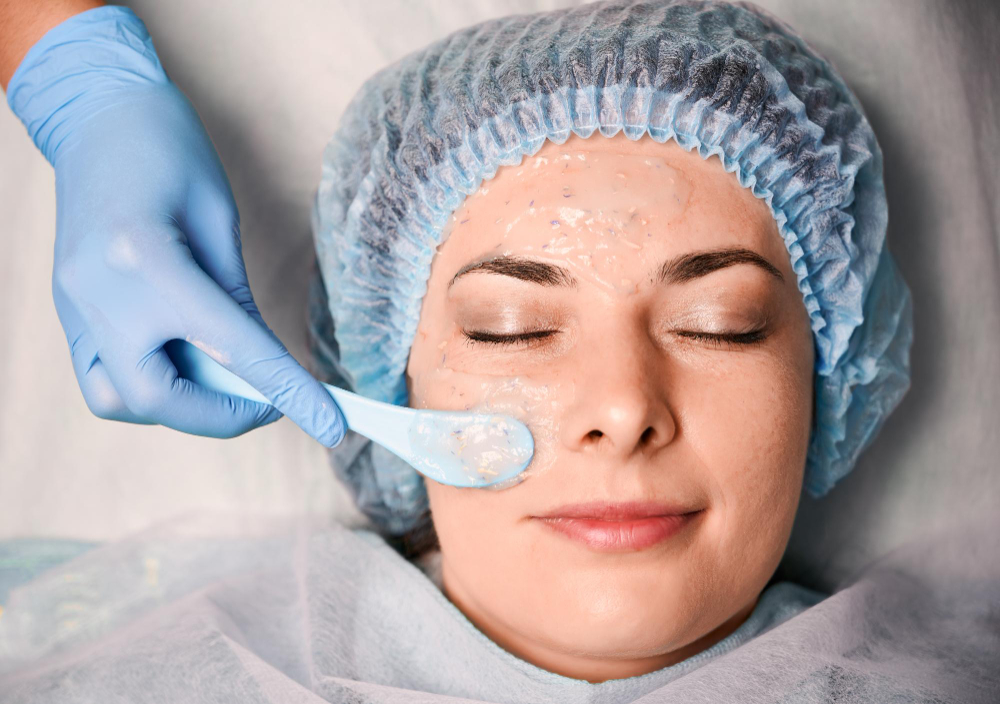
What Is Chemical Peeling?
Chemical peeling is a skin treatment that uses special solutions to remove the top layers of skin. As a result, new skin grows back smoother and brighter. Many people choose chemical peeling to improve their skin’s look and feel. This treatment is popular for reducing fine lines, acne scars, and uneven skin tone. According to dermatology experts, chemical peeling is safe when done by trained professionals.
Types of Chemical Peels
There are three main types of chemical peels. Each type works at a different skin depth. Therefore, your doctor will help you choose the best one for your needs.
Benefits of Chemical Peeling
Chemical peeling offers many benefits for the skin. For example, it can help with:
In addition, chemical peeling can boost your confidence by making your skin look healthier. Many people notice results after just one treatment. However, some may need more sessions for the best outcome.
Who Is a Good Candidate?
Not everyone is a good candidate for chemical peeling. Usually, people with fair skin and light hair get the best results. However, those with darker skin can also benefit, but they may face a higher risk of uneven skin color. You may be a good candidate if you have:
On the other hand, people with certain skin conditions or who are pregnant should avoid chemical peeling. Always talk to a dermatologist before starting treatment.
The Chemical Peeling Procedure: What to Expect
Before the chemical peel procedure, your doctor will clean your skin. Next, they will apply a special chemical solution. You may feel a mild stinging or burning for a few minutes. After a set time, the doctor will remove the solution or neutralize it. The whole process usually takes less than an hour. For deeper peels, you may need pain relief or sedation. After the procedure, your skin may look red or swollen. However, this is normal and should improve in a few days.
Risks and Possible Side Effects
Although chemical peeling is safe, there are some risks and side effects. These can include:
Most side effects are mild and go away on their own. However, deeper peels have higher risks. Therefore, it is important to follow your doctor’s advice closely.
Aftercare and Recovery Tips
Proper skin care after chemical peel is very important. This helps your skin heal and reduces the risk of problems. Here are some tips:
In addition, drink plenty of water and rest as needed. If you notice severe pain, swelling, or signs of infection, contact your doctor right away.
Prevention of Complications
To prevent complications after chemical peeling, always choose a certified dermatologist. Before the procedure, discuss your medical history and any skin issues. During recovery, follow all care instructions. Moreover, avoid sun exposure and harsh chemicals on your skin. If you have any concerns, reach out to your doctor quickly. Early care can prevent most problems.
Conclusion
Chemical peeling can improve your skin’s look and feel. However, it is important to know the benefits, risks, and aftercare steps. Consult a certified dermatologist at Mauli Clinic to find out if chemical peeling is right for you.